
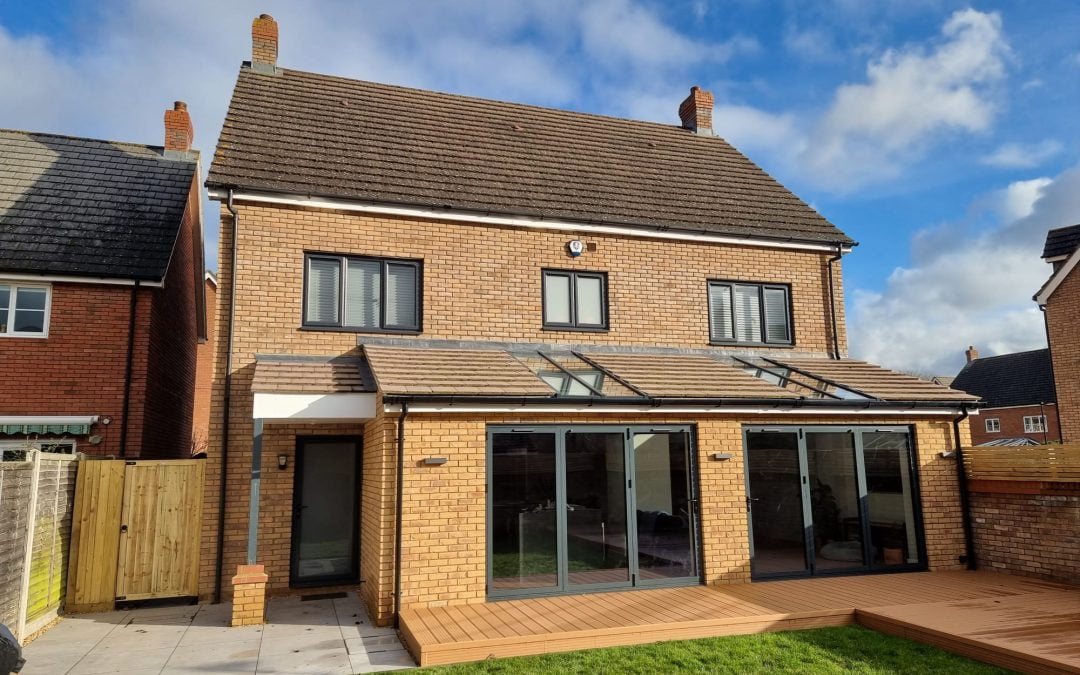
Planning a home extension feels exciting. Extra space promises better living and added value. However, many homeowners overlook one critical step before work begins. Building regulations shape how safely and efficiently an extension performs over time. These rules go beyond drawings and layouts. They protect the structure, ensure comfort, and support long-term use.
Anyone considering house extensions in Northamptonshire should understand what needs approval and why it matters. Many people confuse planning permission with building regulations. That confusion often causes delays, redesigns, and unexpected costs.
Let us discuss the approvals required for every extension.
Building Regulations and Planning Permission Serve Different Purposes
Building regulations focus on safety and performance. Planning permission focuses on appearance and local impact. You might avoid planning consent, yet still need full regulatory approval. Building control checks how your extension stands, breathes, drains, and protects occupants. Regulations apply regardless of extension size. Even small buildings must meet national standards. Homeowners planning house extensions often benefit from understanding this difference early.
Structural Elements That Always Need Approval
Every extension changes how a house carries weight. Building regulations ensure that change remains safe and stable. Structural approval covers hidden but essential components.
Key areas that always need approval include:
- Foundations designed for ground conditions and load
- Load-bearing walls and steel beams
- Roof structures and weather resistance
- Floor strength and movement control
Fire Safety and Escape Routes Cannot Be Ignored
Extensions affect fire risk and escape options. Regulations reduce danger and protect lives. They ensure safe exit routes from every habitable room.
Critical fire safety considerations include:
- Fire-resistant doors and partitions
- Protected escape routes to external doors
- Smoke alarms are linked across floors
- Safe distances between openings and boundaries
Energy Efficiency and Comfort Standards Matter Daily
Modern regulations prioritise comfort and running costs. They set minimum standards for insulation, ventilation, and heat retention. These rules help homes stay warm without excessive energy use.
After a short overview, key requirements include:
- Wall, roof, and floor insulation values
- Ventilation to prevent damp and mould
- Efficient glazing and thermal performance
- Controlled heat loss through junctions
Homeowners planning house extensions in Northamptonshire often see lower energy bills when designs meet these standards from the start.
Drainage, Plumbing, and Electrical Systems Need Careful Approval
Extensions connect new systems to existing services. Regulations ensure safe and reliable connections. They prevent leaks, blockages, and electrical faults.
Approved work covers:
- Proper drainage gradients and access points
- Safe waste and soil pipe connections
- Certified electrical installations
- Water efficiency and pressure control
Building Control Inspections Keep Projects on Track
Approval does not stop at paperwork. Building control officers inspect work at key stages. These checks confirm compliance before work continues. Typical inspection stages include foundation excavation, structural completion, and final sign-off. A completion certificate proves compliance.
Building regulations exist for good reasons. Anyone planning house extensions in Northamptonshire should treat approval as a foundation, and not an obstacle. If you want expert guidance through compliant extension work, speak with Dynamic Construction Services Ltd. We help homeowners plan confidently and build responsibly from the very beginning.